How the Right Large Letter Packaging Can Support Sustainable Shipping Practices
Sustainability has become an important consideration for businesses that regularly ship products to customers. From online retailers and independent sellers to established e-commerce brands, companies are looking for practical ways to reduce packaging waste, improve shipping efficiency, and make more responsible purchasing decisions. One effective starting point is choosing the right packaging for every order.
Large letter packaging offers a practical solution for sending flat, lightweight, and compact products without relying on unnecessarily large parcels. When selected carefully, it can help businesses use materials more efficiently, reduce excess packaging, and simplify their dispatch processes. Options such as large letter boxes, postal boxes, and large mailing bags provide flexibility for different product types and shipping requirements.
However, sustainable shipping involves more than simply choosing a smaller package. Businesses must also consider the materials used, product protection, packaging waste, transport efficiency, and end-of-life disposal. By understanding these factors, companies can make better packaging decisions that benefit both their operations and the environment.

Reducing Packaging Waste Through Better Size Selection
One of the simplest ways to improve sustainable shipping is to select packaging that closely matches the dimensions of the product. Oversized packaging often requires additional cardboard, plastic, paper fillers, or protective materials that may not be necessary for smaller items.
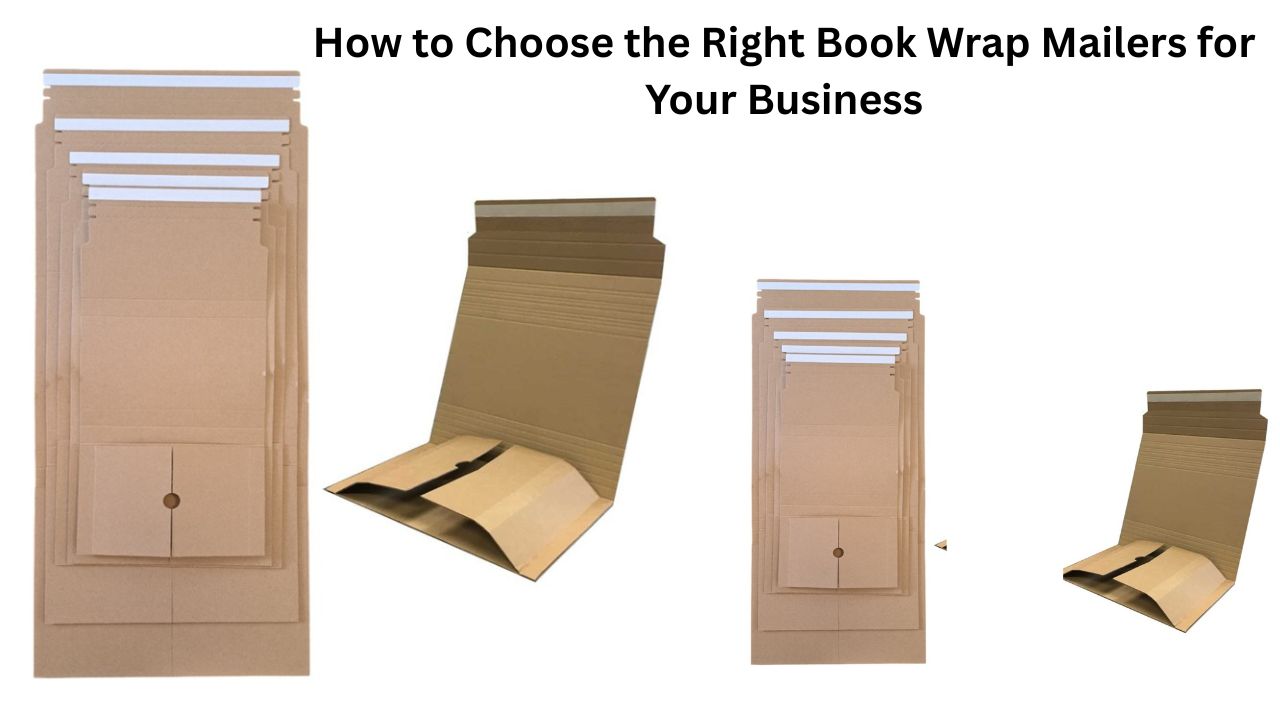
Choosing appropriately sized large letter boxes can help businesses minimise excess material while keeping products secure during transit. These boxes are particularly useful for sending books, stationery, small accessories, documents, and other compact items that benefit from a rigid outer structure.
Correct sizing can also make the packing process more efficient. When products fit comfortably inside their packaging, employees spend less time adding unnecessary fillers or adjusting oversized parcels. This approach can reduce material consumption over time, especially for businesses processing a high volume of orders.
Before selecting packaging, businesses should measure their products carefully and account for any protective wrapping required. The goal is to achieve a balance between minimal material use and reliable product protection.
Choosing Recyclable Large Letter Postal Boxes
Cardboard packaging can support sustainable shipping when it is made from responsibly sourced fibres and is suitable for recycling through local collection systems. Large letter postal boxes are a practical choice for businesses that need lightweight yet sturdy packaging for everyday deliveries.
Many cardboard postal boxes are available in recyclable materials, and some products incorporate recycled content. Selecting these options can help businesses reduce their reliance on virgin materials, depending on the product's composition and manufacturing process.
However, recyclability depends on more than the main packaging material. Adhesive strips, plastic windows, laminated coatings, and other components may affect how easily a package can be recycled. Businesses should check the manufacturer's material specifications and provide clear disposal guidance when appropriate.
It is also important to keep cardboard clean and dry before recycling. Where possible, customers should remove non-paper components according to local recycling instructions.
By prioritising suitable materials and clear disposal information, companies can make large letter postal boxes part of a more responsible packaging strategy.
Understanding Royal Mail Large Letter Boxes and Postal Requirements
For businesses shipping products through Royal Mail, understanding the relevant postal size and thickness requirements is essential. Royal Mail large letter boxes are designed to accommodate products that may qualify for large letter services when the finished package meets the applicable dimensions, weight limits, and service conditions.
Choosing packaging that fits the intended postal category can help businesses avoid unnecessary changes to their dispatch process. Smaller, appropriately sized shipments may also be easier to store, handle, and prepare for collection.
Before purchasing packaging, businesses should verify the current Royal Mail size and weight limits for the service they intend to use. The finished package must meet the requirements after the product and any protective materials have been added.
Sustainable shipping is not simply about choosing the smallest available box. Packaging must also protect the contents throughout the delivery journey. A damaged product may need to be replaced and shipped again, creating additional material consumption and transport emissions.
Therefore, selecting suitable Royal Mail large letter boxes involves considering postal compliance, product dimensions, durability, and protection together.
Using Large Letter Packaging to Improve Shipping Efficiency
Efficient packaging can contribute to more sustainable business operations by reducing unnecessary materials and simplifying everyday fulfilment tasks.
Large letter packaging is particularly useful for products that do not require the space or structure of a traditional parcel. Items such as greeting cards, brochures, photographs, small books, craft supplies, and lightweight accessories can often be shipped in appropriately designed large letter formats.
Using consistent packaging sizes can also make inventory management easier. Businesses can organise their packing stations, estimate material requirements, and maintain stock more effectively.
In addition, compact packages may be easier to arrange during transport and storage. Depending on the carrier's pricing structure and handling practices, suitable dimensions can help businesses manage shipping expenses and make better use of available space.
For the best results, companies should review their most frequently shipped products and identify packaging formats that provide adequate protection without unnecessary bulk. Standardising a small range of suitable sizes can help reduce waste while keeping fulfilment operations organised.
When Large Mailing Bags Are the Better Choice
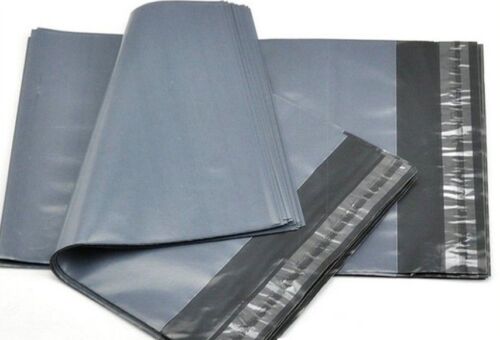
Not every product requires a rigid cardboard box. For soft, flexible, or lightweight items, large mailing bags can provide a convenient alternative.
Clothing, fabric accessories, certain textiles, and other non-fragile products may be suitable for mailing bags when the packaging provides sufficient protection. Their flexible structure can make them easier to store before use, while their lightweight construction may help reduce shipping weight compared with some alternative packaging formats.
Businesses should nevertheless consider the material used to manufacture each bag. Some mailing bags are made from plastic, while others use paper or recycled materials. Their environmental performance depends on factors such as material composition, manufacturing, durability, reuse potential, and available disposal facilities.
For example, a recyclable paper mailing bag may be suitable for some products, while a durable bag containing recycled plastic may offer useful protection for others. Neither option is automatically the most sustainable in every situation.
Businesses should assess the product being shipped, the likelihood of damage, and the disposal options available to customers before choosing a particular format.
Making Informed Choices About Large Mailing Postage Bags
Large mailing postage bags can help businesses send suitable products without relying on bulky packaging. They are often considered by online retailers that need lightweight packaging for regular dispatches.
When evaluating these bags, companies should look beyond the purchase price and consider their overall performance. Important factors include material strength, closure quality, tear resistance, water resistance where necessary, and the suitability of the bag for the product.
A bag that fails during delivery can result in damaged goods, customer complaints, replacements, and additional transport. Choosing a suitable product that performs reliably may help prevent this avoidable waste.
Businesses should also investigate whether the bags contain recycled material and whether they can be recycled through accessible local schemes. Packaging labels should communicate disposal information accurately rather than making broad environmental claims that cannot be verified.
Where practical, companies can test different bag options with representative products before placing larger orders. This helps them identify packaging that offers the right combination of protection, material efficiency, and cost.
The Advantages of Buying Large Letter Postal Boxes Wholesale
Businesses that ship products regularly may benefit from purchasing large letter postal boxes wholesale. Buying in larger quantities can help improve stock availability, reduce repeated ordering, and potentially lower the cost per unit.
Wholesale purchasing can also create an opportunity to evaluate suppliers more carefully. Businesses can compare the quality of cardboard, the amount of recycled content, material certifications where applicable, packaging dimensions, and the supplier's approach to responsible sourcing.
However, bulk purchasing should be planned around actual demand. Ordering excessive quantities can lead to storage problems, damaged stock, or packaging becoming unsuitable after product ranges change. These issues can undermine the benefits of buying in bulk.
A practical approach is to analyse previous shipping volumes and forecast future requirements before placing an order. Businesses should also consider storage conditions to keep cardboard packaging clean, dry, and ready for use.
By purchasing suitable quantities from reliable suppliers, companies can maintain a steady packaging supply while supporting more organised purchasing and inventory management.
Designing a More Sustainable Packaging Strategy
Choosing sustainable packaging becomes easier when businesses establish clear guidelines for purchasing, packing, and disposal.
Start by reviewing the products shipped most frequently and grouping them according to their size, weight, fragility, and protection requirements. This information can help determine when to use a cardboard box, a padded format, or a mailing bag.
Next, assess the materials used in current packaging. Where suitable alternatives are available, consider recyclable cardboard, recycled-content materials, or products designed for reuse. Always check whether the proposed material is appropriate for the intended product and local waste-management facilities.
Businesses should also train employees to avoid unnecessary fillers, use the correct package size, and seal shipments securely. Simple improvements to packing procedures can reduce waste without making fulfilment more complicated.
Finally, review packaging performance regularly. Track damaged deliveries, material consumption, customer feedback, and packaging costs. These measures can help identify where improvements are working and where further changes are needed.
A successful sustainable packaging strategy is practical, measurable, and suited to the needs of the business rather than based on environmental claims alone.
Conclusion
The right packaging can make a meaningful contribution to more sustainable shipping by reducing unnecessary materials, improving product protection, and supporting efficient fulfilment. From choosing appropriately sized large letter boxes to evaluating large mailing bags and recyclable postal packaging, businesses have several opportunities to improve their everyday shipping practices.
Selecting the most suitable option requires careful consideration of product dimensions, postal requirements, material composition, durability, and disposal facilities. Purchasing large letter postal boxes wholesale can also help businesses manage inventory and packaging costs when quantities are planned responsibly.
For businesses looking for suitable packaging supplies, Crystal Mailing can be considered as part of the process of sourcing packaging products that meet their shipping requirements. By prioritising appropriate packaging sizes, reliable product protection, and informed material choices, businesses can work towards more efficient shipping operations and a more responsible approach to packaging.

Comments
Post a Comment